“Theoretically a good
cook should be able to perform under any circumstances, but cooking is much
easier, pleasanter, and more efficient if you have the right tools” Julia
Child
Proper equipment will last for years and ironically it isn’t
nearly as expensive as one would think. The trick is to gradually build your
collection based on the dishes that you regularly prepare. As tempting as it
may seem don’t go crazy and buy everything you see in the kitchen shop. The
equipment will barely be used and just clutter up your cupboard and collect
dust. Guilty! :)
Many people have asked me where I buy my equipment from and
how I know what brand or range to purchase. My personal opinion is, as a serious
cook you should not really worry about the brand, style or matching ranges. By
all means go ahead and buy matching orange ‘Le Creuset’ cookware or go blast
your money on ‘Jamie Oliver’ kitchen equipment. If cooking is what you are
serious about and not the glamorous idea thereof then expensive and ‘stylish’
brands shouldn’t matter to you. There is nothing wrong with expensive and signature
cookware and they really do live up to their name. I just personally think one
of the best places to shop for reasonably priced kitchenware that won’t burn a
hole in your wallet is in a restaurant, hotel or catering-supply shops. The kitchenware
is sturdy, professional, and made for hard use.
STOVES
Stovetops and ovens are traditionally the cooking appliances
that we use the most. Whether you have a gas or electric stove the type of stove
that you own will affect how your food is cooked.
- Electric heat:
Electric stoves are still high in demand because they are relatively cheap,
clean and easy to use. The biggest drawback to electric ranges is their slow response
time. Reducing or increasing heat can take a minute or two. However, many professional chefs prefer
electric ovens because they’re very accurate and consistent.
- Gas: Personally I
prefer gas cooktops because of the more precise heat control. You have full
control over your heat and can quickly turn the gas flame up or down and the response
time is not minutes but seconds. This gives you more control than with an electric
stove.
It doesn’t matter how ‘high tech’ your oven is, today’s gas
and electric ovens generally hold and maintain oven temperature within a
variance of about 5 degrees. It is very important that one should regularly
keep their oven in check with a portable thermometer; thermostats have a way of
becoming unreliable, which can be disastrous if you are cooking a soufflé or a
cake, and will put your timing way off roasting.
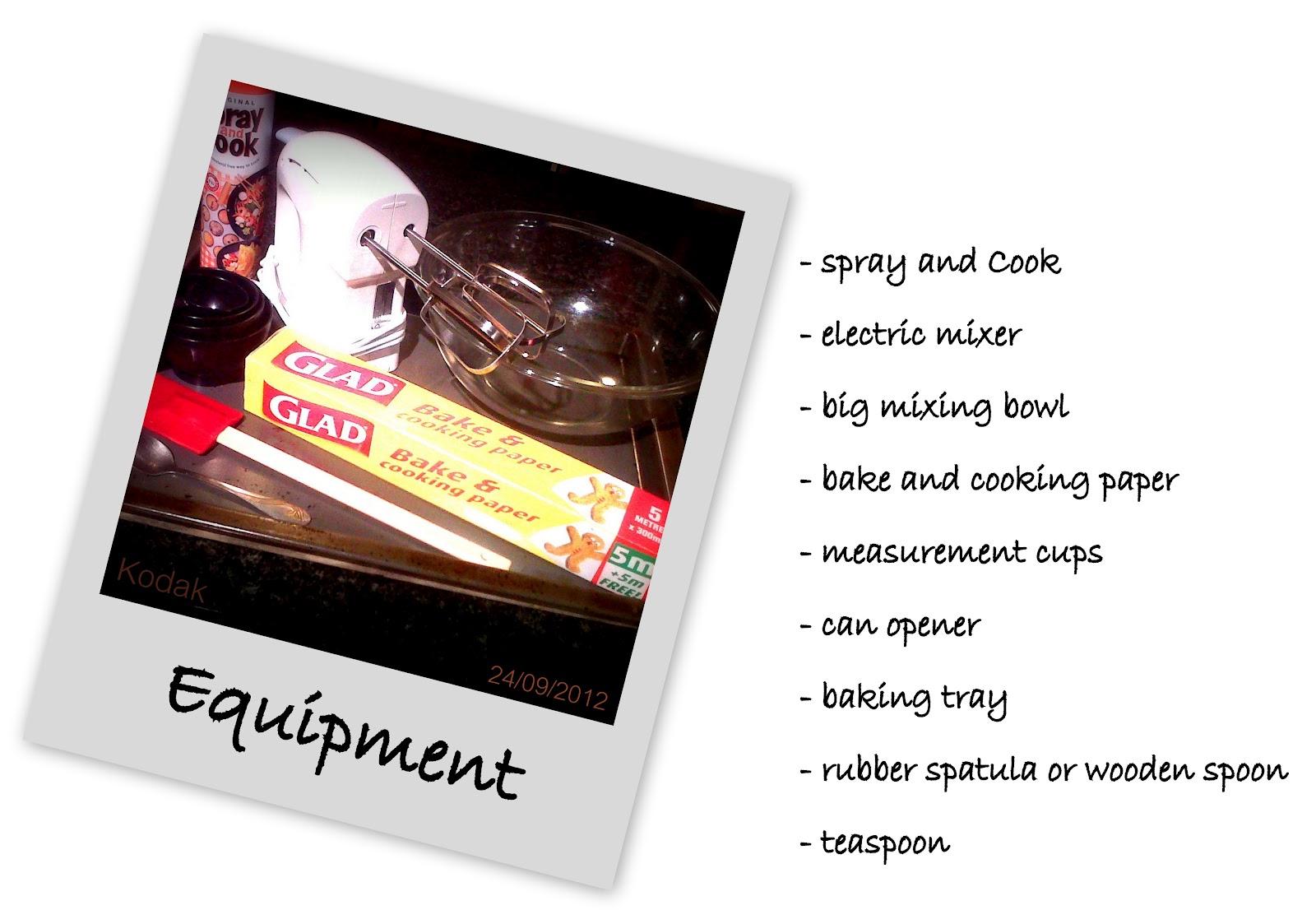
BASIC KITCHEN EQUIPMENT
You will need some very basic equipment to start cooking –
essential items for working in the kitchen. Here is a short list of cooking
equipment and tools that no home cook should be without!

- Saucepans: Saucepans in a range of sizes are essential. One with a handle
can also be set in the oven. Saucepans are used for simmering or boiling cooking
things such as vegetables and soups. Ironically, the saucepan is not the ideal
vessel to use for making sauces.
- Chef’s skillet: A chef’s skillet, poêle, has sloping sides and is used for browning and tossing small
pieces of food like mushrooms or chicken livers.
- Sauté pan: A sauté pan, sautoir, has straight sides and is
used for sautéing small steaks, liver, or veal scallops, or foods like chicken
that are browned then covered to finish their cooking in the sauté pan.
- Stockpot: For making stocks or large quantities of
soup, pasta, and vegetables.
Commonly used pots
and pans
You use some pots and pans more than others. The most common
types of pots and pans create a solid foundation for your kitchen equipment.
The pots and pans in this list are the most versatile, and you’ll become very familiar
with them.
- Cast-iron skillet: A cast-iron skillet has many versatile uses.
What makes this piece of equipment so popular is the fact that it can get
really hot, retain allot of its heat and have the best even heat distribution.
This makes the pan the greatest piece of equipment for frying steaks.
- Roasting pans: No kitchen should be without a roasting pan.
This ‘pan’ is used for roasting meat in the oven, either with or without vegetables
or other ingredients.
- Baking dishes: Round and oval baking dishes can be used for
roasting chicken, duck or meats, or can double as gratin dishes. Baking dishes are very versatile and perfect for
making casseroles, or baking brownies or cakes.
- Dutch
oven: This enameled cast-iron stew pot, called a Dutch oven, is ideal for
slow-cooking meals